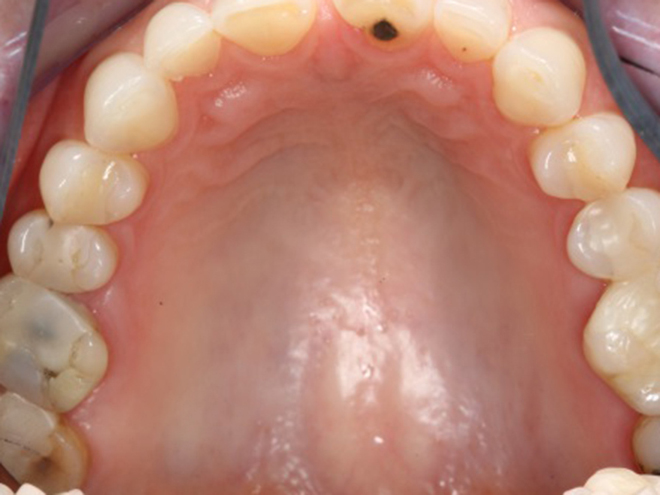
A new study has gained international attention for providing clear, research-based answers to a question dentists worldwide have debated for years: Should an open or closed surgical technique be used when children have canine teeth that fail to erupt in the upper jaw? Some of the study's results have now been published and were highlighted by the renowned British orthodontic blogger Kevin O’Brien.
Research news
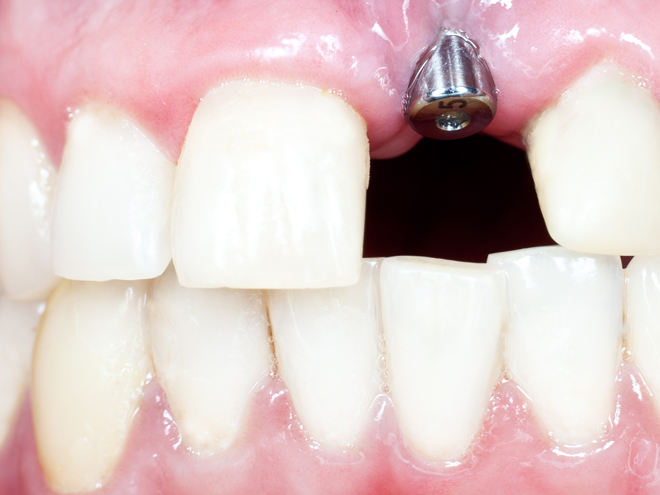
Minh Khai Le Thieu has studied using a synthetic scaffold to promote bone growth after tooth loss in his doctoral thesis. Perhaps this could contribute to the use of a new type of biomaterial? Today, animal bone is widely used to promote bone growth around implants.
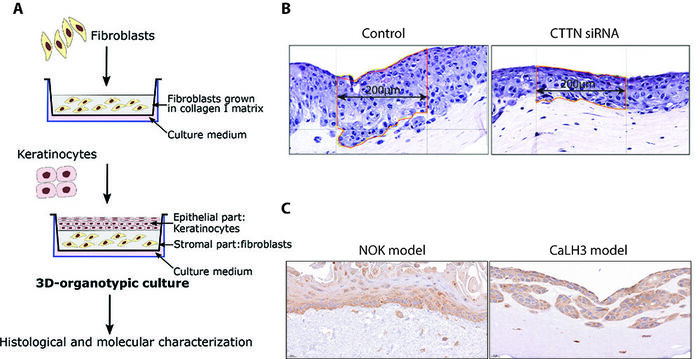
Being able to research various treatment options without the need to use animals or expose humans to unnecessary treatments is an important goal in medical research. In Maria Schröder's doctoral work at the Faculty of Dentistry, she developed tissue-like 3D models of oral tissues which can help to study the gum disease periodontitis.
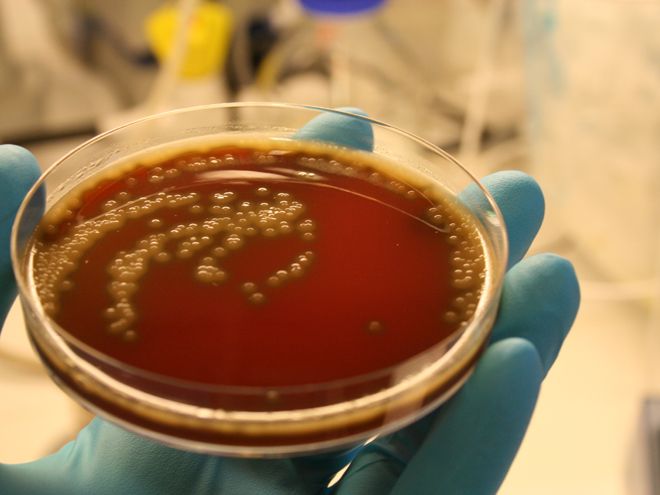
According to a new publication in Nature Communications, early antibiotics and prolonged hospitalization leave a 'nasopharyngeal microbial scar' in preterm infants. Results underscore the critical role of antibiotic stewardship and infection control within neonatal intensive care units, highlighting the need to balance life-saving antibiotic use with the potential impact on the developing nasopharyngeal microbiome.
A doctoral thesis at the Faculty of Dentistry points to the possibility of reconsidering standard treatment routines, aiming to improve the quality of life for people who survive head and neck cancer.
Periodontitis is a disease that affects the supporting tissues of the teeth and is associated with other types of diseases. A new study conducted at the faculty of dentistry shows that patients with severe periodontitis also have a higher prevalence of cardiovascular disease, diabetes, and COPD.
At the Research Clinic, there is hectic activity. Recently, a clinical trial of the product Liposal started, investigating whether it can relieve dry mouth. The pilot study conducted by Janicke Liaaen Jensen and Julie Frigaard aims to test the product on 20 patients who have challenges with dry mouth.
A new study suggests that lab-grown oral mucosa can successfully be used for testing biological effects of dental materials. The project is a collaboration between the Institute of Oral Biology (IOB) and the Nordic Institute of Dental Materials (NIOM) and is published in Biomaterial Investigations in Dentistry.
As the proportion of elderly individuals in the population continues to grow, the demand for various medical treatments may also increase. This includes the need for dental health services. But what kind of dental care will the elderly population require in the future?
Have you ever experienced knee pain after a run, hip discomfort, or persistent jaw joint pain? If so, you may be affected by osteoarthritis.
Burning Mouth Syndrome (BMS) is a chronic condition characterized by a burning pain in the mouth, sometimes accompanied by numbness. The clinical features of this condition closely resemble other neuropathic pain disorders. There has been limited research on this phenomenon in Norway, but a research project at the Faculty of Dentistry may contribute to the establishment of a new treatment method.
Predicting prognosis for the diseases oral leukoplakia and oral cancer can be difficult. In her dissertation, Sushma Pandey Dhakal has studied certain proteins that occur in connection with the diseases and the results show possible methods that can be useful for future treatment and follow-up of these patients.
Millions of chicken eggshells are thrown into the garbage every year, which could be a valuable raw material for the production of next-generation biomaterials.
It is rare that a research fellow gets the cover of a reputable scientific journal. But Minh Thieu did.
During the past year, journalists from major international media have visited the Faculty of Dentistry in Oslo for a very specific purpose: they wanted to know about a mysterious death in 1970. They all asked the same questions: Who was the woman found in the Ice Valley? Why and how did she die?
Research smell and taste is a relatively new field in Norway, but Postdoctoral Fellow Preet Bano Singh at the Faculty of Dentistry is breaking new ground in this area.
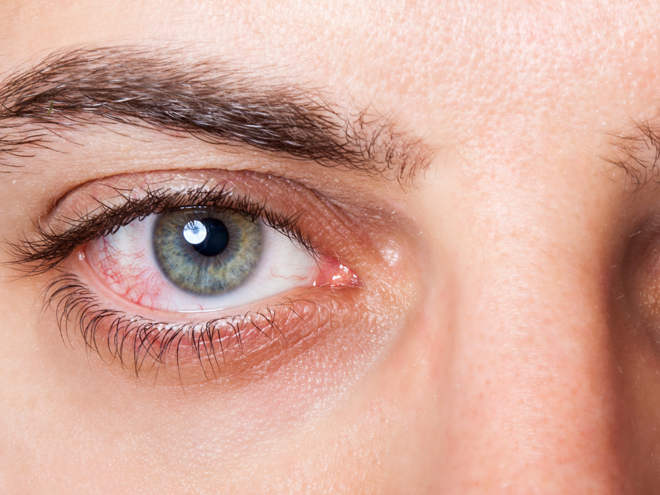
If you suffer from a dry mouth, the chances are that you also have dry eyes. The problem may be due to the sebaceous glands in the eyelids.
A frequent problem in orthodontic practice is that the teeth do not remain in their new positions. Can a protein prevent teeth from moving in the mouth?
What if you hardly ever consume soft drinks or eat anything acidic, but still have dental erosion on your teeth? Do genes play a role? And does it matter if you are a boy or a girl?
Molecules that are more often known for their potential to cause cancer may have a new, health-promoting role. Scientists are now discovering how these «radicals» may be used to prevent infections and promote the long-term success of dental implants.
In the future, it will be possible to personalise your cancer treatment to you and your genes. Jian Gao is one of the contributors to the cancer treatment of the future.
Imagine if we could talk to bacteria and tell them what they should do, or perhaps even better: what they should not do! This scenario is not so distant from what a research group at the University of Oslo (UiO) is working towards
Children born without the ability to get several permanent teeth, known as severe hypodontia, must expect to be "eternal patients". A new doctoral thesis from the Faculty of Dentistry at the University of Oslo has examined how it is possible to better help these children.
There appears to be no end to the health benefits of the much-lauded antioxidants. Now it seems that they can also play a role in whether implants inserted into the body end up being a success or the cause of complications.
Today, a minor surgical operation involving extracting a few salivary glands from the lower lip, is one of the steps required to determine whether or not a dry mouth is due to the chronic disorder Sjögren's syndrome. Researchers at the University of Oslo (UiO) are working to simplify the diagnostic process so that a single saliva test may be sufficient.